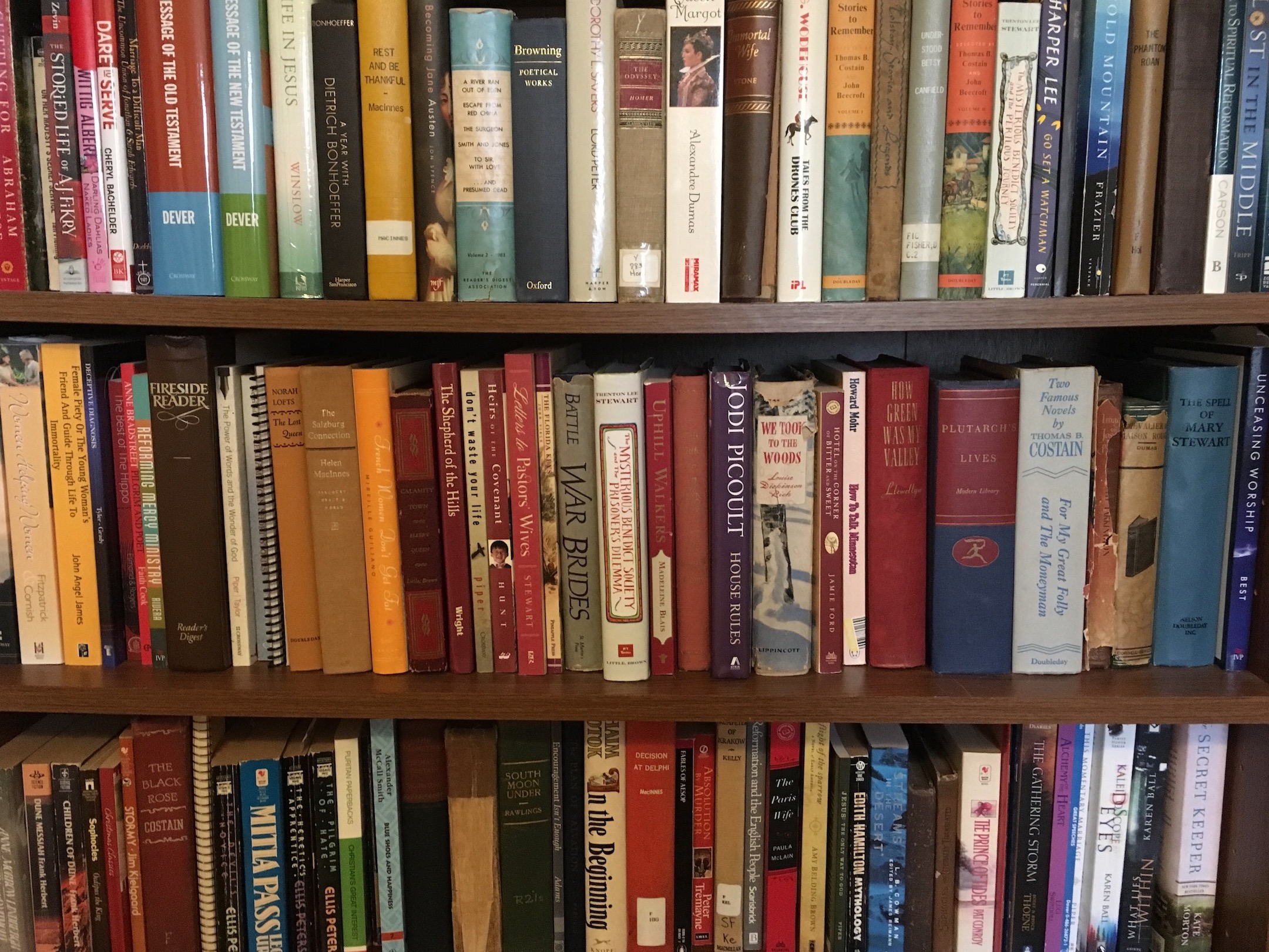
I am a bookworm. I LOVE books. They are a pleasure to read, touch, see, sort, collect, buy, smell. The only downside I’ve found is the risk of a paper cut, but that’s what a Kindle is for! Yes, I love e-readers, since they also unlock the treasure that is a book, but I will not digress further…
Bias aside, I will happily argue the benefits of reading and encourage you to read a book. Yes, it takes time, but consider the value of using some time this way.
Exercise Your Mind
The act of reading exercises your brain in a way that normal daily use does not. Absorbing the words on the pages takes mental effort — which is good! Focusing on a train of thought for page after page takes concentration that we rarely exercise anymore in the age of tweets and sound bites. As you read, you interact with the author’s thoughts and confirm or formulate your own. This time to think is priceless.
Open Your Mind
Very few of us are able to experience as much in person as we can peek into through a book. As Emily Dickinson said so well,
There is no Frigate like a Book
To take us Lands away,
Nor any Coursers like a Page
Of prancing Poetry –
This Traverse may the poorest take
Without oppress of Toll –
How frugal is the Chariot
That bears a Human soul.
Help with Learning
You’d like to know how to better serve the nutritional needs of your family? There are books that delve into that topic and help you understand the science and benefits. Your good friend recently moved to Kenya? You can gain a better understanding of her new life by reading about the country and culture — through nonfiction and good fiction.
Reading also expands your vocabulary and boosts your writing skills. You may not be an author, but writing is a valuable tool at various points in our lives. Being able to wield it better will yield better results from that communication.
Promotes Good Health
There is promising research that reading helps with brain cell health, building up a reserve you may need in the future. Taking the time to read also helps reduce your stress level, and we are all familiar with the negative health effects of stress.
Provides for Social Interaction
Putting yourself in someone else’s shoes, especially in a work of fiction or a biography, helps you see from another perspective. This helps you understand the people around you better; you gain empathy.
The more you read, the more you have to talk about. Small talk at your service! Your conversations will be richer, and you will have more to add.
Book clubs are also a great way to meet new friends, maintain relationships, and inject social time into your schedule. The fact that you read a book in the process is a bonus. If you have a good library system available, you can reap all these benefits for a minimal financial investment.
And More
There are more detailed benefits and plenty of research on the topic, but hopefully this is enough to get you thinking…and maybe even enough to get you to pick up a book. Enjoy it!
