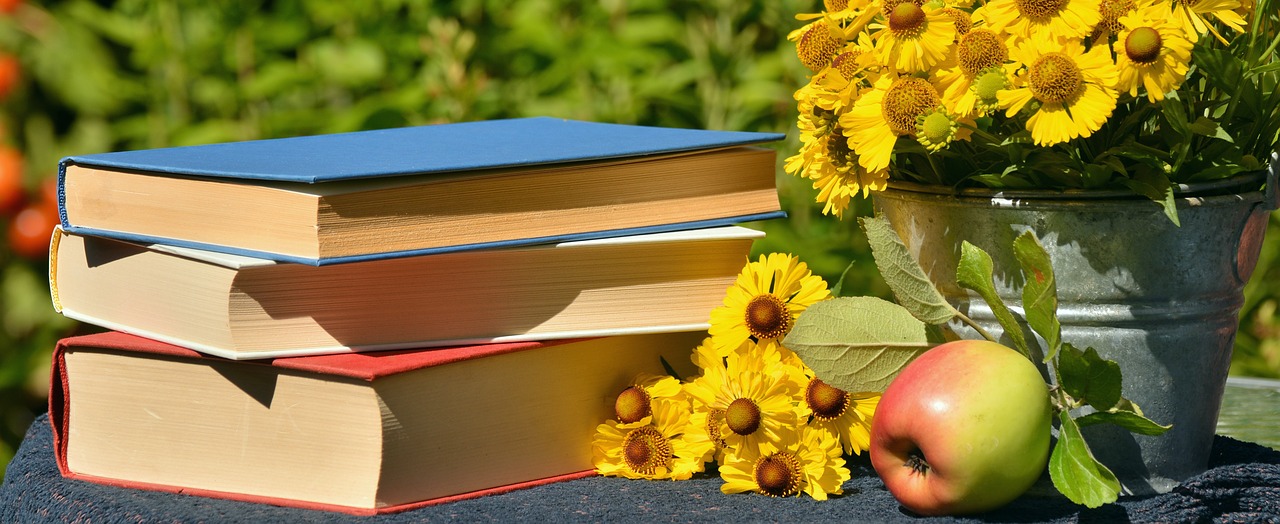
Robert Wolgemuth has written a book to describe a Christian home, The Most Important Place on Earth: What a Christian Home Looks Like and How to Build One. It is good to consider why your home is the way it is and whether that way is the best way. Wolgemuth looks at several factors and how they affect the tone of a home. The chapters on words and being safe at home are a good investment, even if you read only those.
Here is a brief excerpt from this book, an explanation of the title and purpose:
Why can’t our homes be different in this wonderful way? … Who wants to be normal? Everyone else is normal. This kind of different is good. So I’m taking a chance and tacking signs above the front door of my home and your home. They read, “The Most Important Place on Earth.” The superlative works just fine here.
Ironically, every home, regardless of what’s going on inside, might as well have this over its front door. For the children who live in these homes, it’s a fact, good or bad: it is the most important place on earth. Sit down over a cup of coffee with any family therapist in the country and usually he or she will tell you that, for a kid, it’s at home — whatever it looks like — where everything in life makes up its mind.
These books are set here as possibilities for you to explore. Posts and links are not complete endorsements or paid publicity.
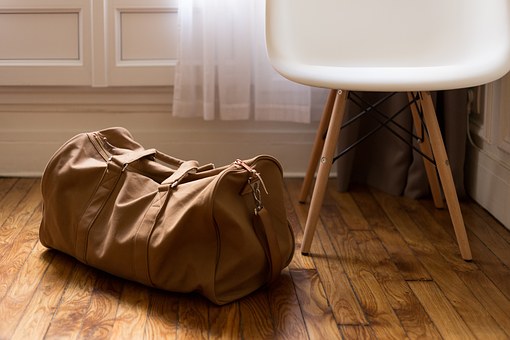
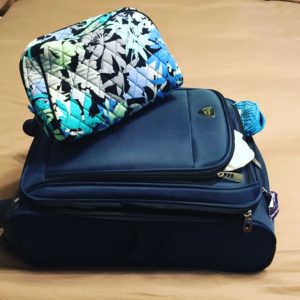 Using pouches for these things also means it is easy to switch to another suitcase if that were needed (bigger or smaller, depending on the trip). When it’s time to pack, all that needs to go in is clothes and shoes.
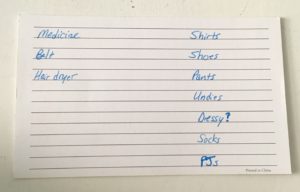 Note: It may help to have a list of things you need to remember written on a card that you keep in your suitcase. That would help you with the things that need to be packed that aren’t ready to go all the time.