Scarcity or Plenty

When God gave the Israelites manna (Exodus 16), it was daily bread. But the temptation to save some for later, just in case, was strong, and some did stash a little away, in vain.

If we don’t trust that we have enough, we will keep scrambling. We can’t enjoy what is in front of us because we are concerned for tomorrow. Our confidence, or lack of confidence, controls our actions and our attitudes. When, with childlike faith, we trust God’s provision, we can eat with pure gratitude. When we feel the weight of provision on our shoulders, we will worry and work on our own Plan B.

Have you ever invited guests for dinner and then worried and stressed about the menu and the quantity of food? What if it doesn’t come out perfectly? What if it isn’t more than enough? What if no one likes what is served? By the time you open the door and welcome anyone in, you are a distracted, disturbed mess.

Well, here’s the deal: No one will starveLet’s start there. Our homes are filled with food. This is not a starving-child-on-your-doorstep situation. No one sitting at the table is unable to eat as needed. With that said, every single dish eaten is a bonus!

Furthermore, the feast is the fellowship. We could fast together in relative comfort and great relational joy. Don’t let that get lost in the recipe details. Sharing the table is primarily about the people, not the presentation.

So plan your menu and work the plan. Use your hostess skills wisely. Take what you have and share it graciously, knowing that all you have is a gift from God to be thankfully enjoyed in every moment. And whether you burn the broccoli or perfectly bake the brownies, remember that God’s provision for His children is more than enough for each and every day.
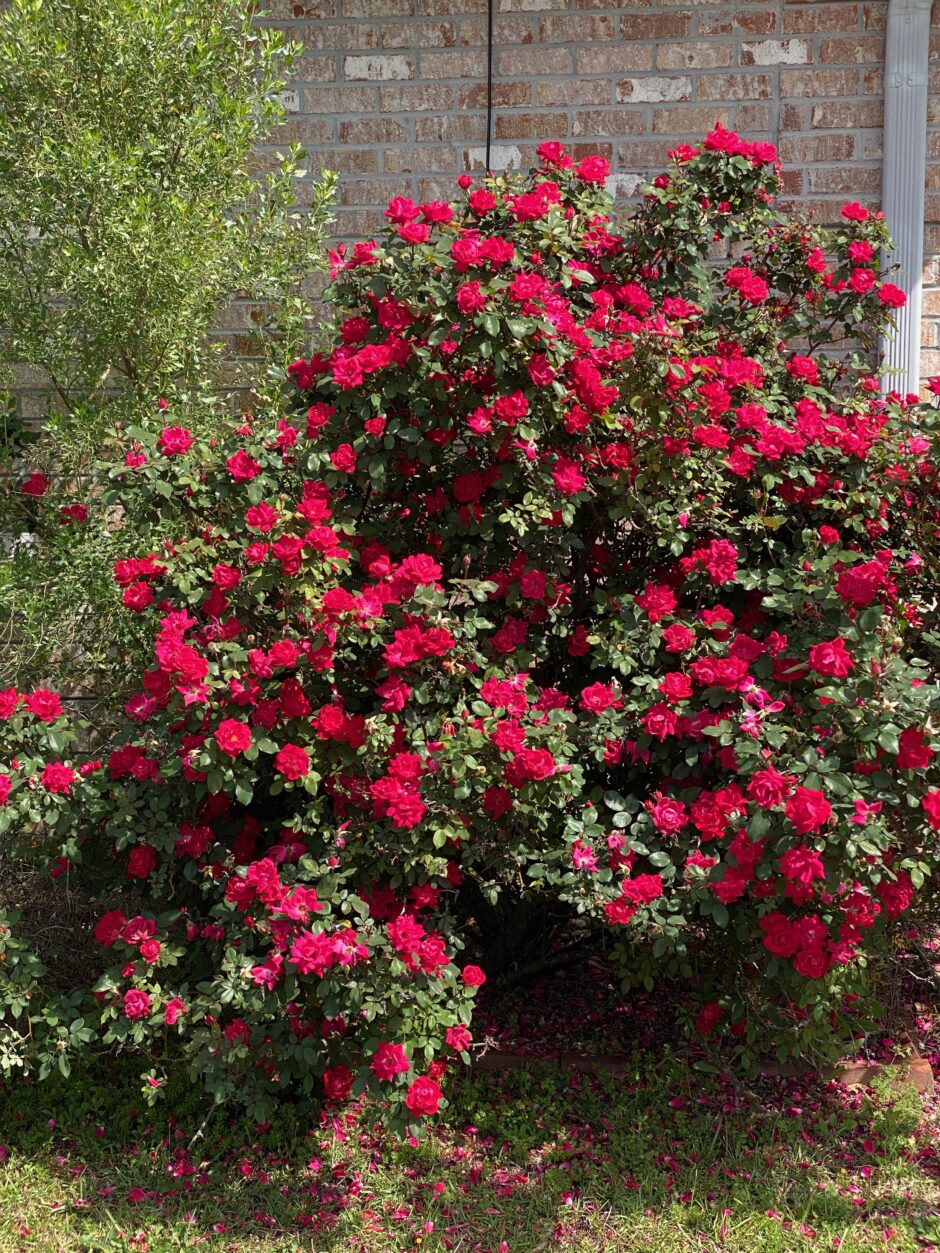
Stop and Study the Roses

Life lived at a high pace exacts a greater cost than we realize. The ability to slow down and take time to study and pen thoughts is seen as a luxury when it should be seen as a necessity. — Ravi Zacharias in Beyond Opinion

Why do we take time to study Scripture, or dig into a good book, or have a rich conversation, or just think? Do we take that time because it is important, or do we actually see it as a luxury — nice if it works out but no urgency?

We are good stewards of the mind and materials given to us. Or, if you prefer: You have a brain, use it. Most, if not all, of us reading this are highly educated. This blessing of education is on top of the brain with which we were born. Both mind and education are gifts, so why waste them? Further, we have access to more intellectual material at this point in history than any other point. We have books to read, libraries to visit, classes to take, lectures to absorb — such abundance! How are we using that for good?

We communicate the glory of God. The context of the Zacharias quotation above is apologetics — defending your faith. If we are not dwelling on truth and wrestling with concepts, what do we have to share? What answers do we have to questions? How can we encourage each other? Fulfilling our calling (I Peter 2:9) requires some thought.

Let us labour assiduously to increase in knowledge, that ours may be a deeply rooted and rational affection. — William Wilberforce in A Practical View of the Prevailing Religious System of Professed Christians…Contrasted with Real Christianity

In addition to stewardship and sharing, Wilberforce points out one more reason above. We can love God more deeply. If we know only one aspect of who God is, we can worship Him greatly. But how much greater will our love be when we learn more? We may be thankful now for the water cycle, but our awe and gratitude will grow as we understand the solar system also. A basic understanding of salvation is a cause for overwhelming joy. How much more is in store as we continue in exploration of what God has done?